Brú na Bóinne & Newgrange Tour | Ireland’s 5,000-Year-Old UNESCO World Heritage Site
Legendary 5,000 year old tombs of Kings, older than the Great Pyramids of Egypt.
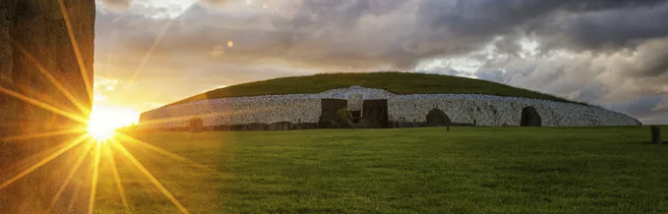
Precisely aligned with the rising sun at the Winter Solstice, wonder at this ancient Neolithic Tomb.
This remarkable UNESCO World Heritage Site, a place that has inspired wonder for more than 5,000 years with monuments older than both Stonehenge in England and the Great Pyramids of Giza in Egypt a beam of sunlight enters through a specially designed opening above the entrance, known as the roof box for about 17 minutes on December 21st.
The name Brú na Bóinne means “Palace of the Boyne,” named after the River Boyne that curves gracefully around this ancient valley. For thousands of years, people have been drawn to this fertile landscape, but the first great builders arrived around 3200 BC, creating some of the most sophisticated monuments of the Stone Age.
The three great passage tombs—Newgrange, Knowth, and Dowth—form the heart of this ancient ceremonial landscape. Together they represent one of the largest collections of prehistoric art and architecture found anywhere in Europe. Even after centuries of archaeological study, many of their secrets remain unsolved.
The most famous of these monuments is Newgrange. At first glance, it resembles a large grassy hill, but inside lies an engineering masterpiece. A narrow stone passage stretches nearly 65 feet to a central burial chamber, all built without modern tools, metal, or mortar. Every massive stone was carefully transported, shaped, and positioned by hand more than five millennia ago.
What truly sets Newgrange apart is its astonishing connection to the winter solstice. Every year, around December 21st, as the sun rises on the shortest day of the year, a beam of sunlight enters through a specially designed opening above the entrance, known as the roof box. For about 17 minutes, the sunlight slowly travels down the passage and illuminates the inner chamber, which remains in complete darkness for the rest of the year. The precision of this alignment demonstrates an incredible understanding of astronomy by people living over 5,000 years ago.
Although archaeologists believe Newgrange was used for ceremonial and burial purposes, it was likely much more than a tomb. It may have been a place where communities gathered to celebrate the changing seasons, honor their ancestors, and mark the cycle of life and renewal.
As you look around, you’ll notice the intricate spiral carvings and geometric designs etched into many of the stones. These mysterious symbols are among Europe’s finest examples of Neolithic art. No one knows exactly what they mean. Some scholars believe they represent the sun, the moon, flowing water, or the passage of time, while others think they held spiritual or ceremonial significance. Their mystery continues to captivate visitors from around the world.
Brú na Bóinne is also deeply woven into Irish mythology. Later generations believed these great mounds were the homes of the Tuatha Dé Danann, Ireland’s legendary supernatural people, often described as gods or magical beings. Newgrange became known as the home of The Dagda, the powerful father figure of Irish mythology, while his son, Aengus, the god of love and youth, was said to have lived here as well.
These stories transformed the ancient monuments into places of magic, mystery, and eternal youth.
For centuries, local people respected these monuments, even after forgetting who had built them. Hidden beneath grass and earth, Newgrange remained largely untouched until its rediscovery in the late 17th century. Modern archaeological excavations in the 1960s revealed the remarkable structure we see today and helped us better understand the extraordinary achievements of Ireland’s earliest farmers and builders.
Today, Brú na Bóinne is recognized as one of the most important archaeological landscapes on Earth. It offers a rare opportunity to stand in a place where people gathered more than fifty centuries ago to celebrate life, honor the dead, observe the heavens, and leave behind a legacy that continues to inspire wonder.
As you explore this ancient landscape, take a moment to imagine the generations who stood here before us. Without written language, metal tools, or modern technology, they created monuments so impressive that they still challenge our understanding today. Brú na Bóinne reminds us that curiosity, creativity, and a desire to connect with the world around us are qualities that have united humanity across thousands of years.
Whether you’re fascinated by archaeology, mythology, astronomy, or simply the mystery of the ancient world, Brú na Bóinne is an unforgettable window into Ireland’s distant past—and one of the most awe-inspiring places you’ll visit anywhere in the world.
Ask yourself

Are you an amateur photographer?
Do you enjoy history?
Do you enjoy Michelin star dinners?
Do you enjoy gifting unique souvenirs?
Your Failté Ireland National Tour Guide will meet all these expectations.

Luxury Chauffeur Travel
Experience bespoke chauffeur-driven journeys across Ireland in premium BMW and Mercedes luxury sedans, delivered with comfort, care and understated elegance from start to finish.

Iconic Irish Destinations
Explore Ireland’s most memorable locations including the Cliffs of Moher, the Titanic Trail in Cobh and the ancient 5,000-year-old passage tomb at Newgrange with experienced Failte Ireland licensed guides.

Tailored Local Experiences
Your guide will shape each journey around your interests, recommending exceptional local restaurants, freshly caught seafood, grass-fed Irish steaks and authentic pubs serving the perfect pint of Guinness.

Discover the Four Provinces
From Leinster and Munster to Connacht and Ulster, Ireland’s diverse landscapes offer dramatic coastlines, rolling countryside and natural wonders including the UNESCO Global Geopark at The Burren.
10 Minutes from Dublin Airport
Executive Explorer H.Q. is located 10 mins from Dublin Airport allowing guests be collected easily with minimum expense. Guests can be transferred to their city centre hotel in 20mins and/or chauffeured to:
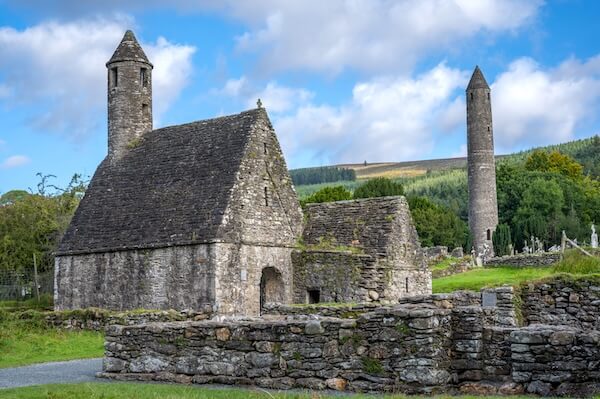
The magical Monastery of Glendalough with the 1,600 St.Kevins Kitchen (Chapel).
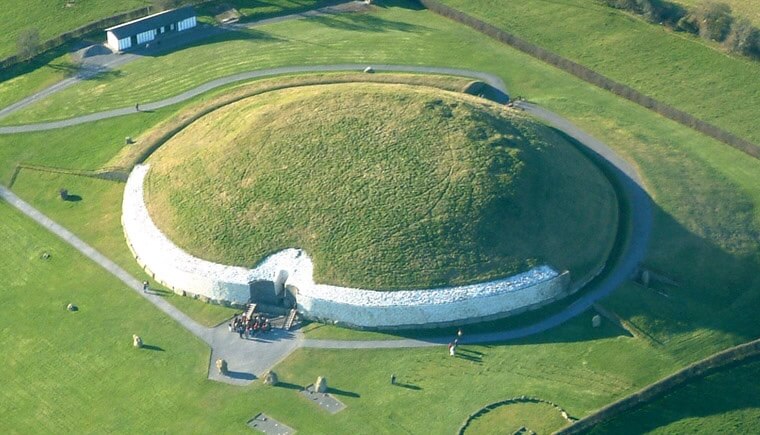
The aincent Neolithic Newgrange Passage Tomb engineered for the Winter solstice.
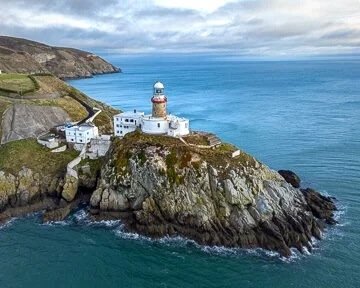
The towering Hill Of Howth affording majestic views of Dublin Bay.
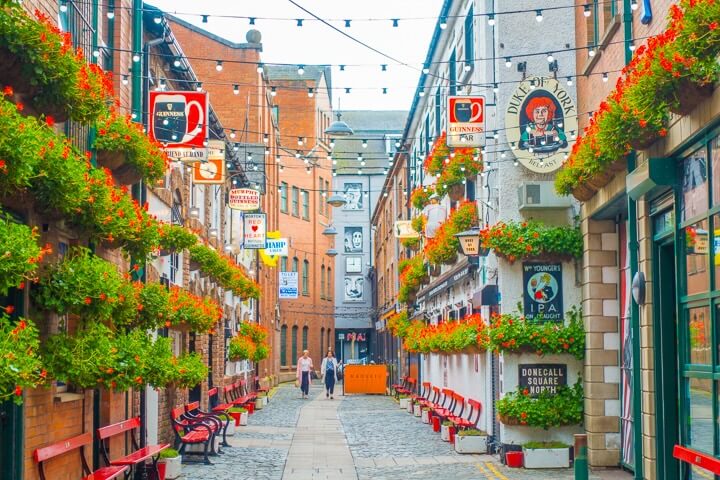
Day trips to Belfast and Galway cities for retail therapy and the best of Irish cultural heritage.
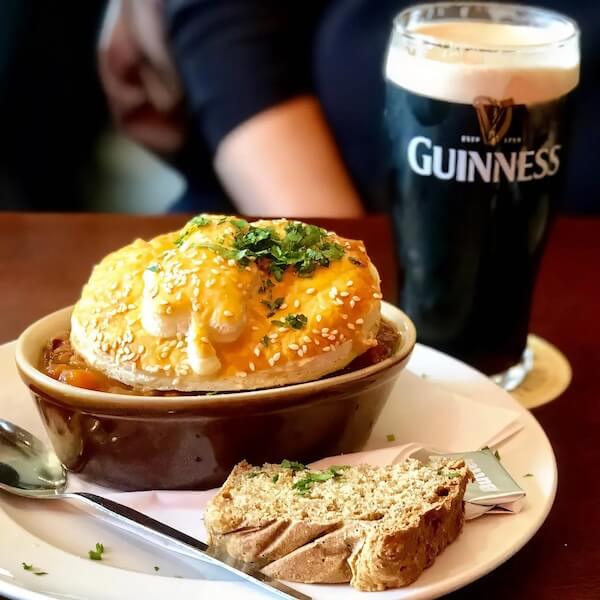
Bespoke Culinary tours with access to sought after lunch/dinner reservations.